Why First-Party Data Marketing Matters in 2027
In 2027, First-Party Data Marketing is becoming an important part of building meaningful customer relationships and creating more effective digital marketing strategies. Businesses are no longer focused only on attracting new customers. They also need to understand customer preferences, purchasing behavior, interests, and expectations. First-party data helps companies collect valuable information directly from their customers and use those insights to deliver more relevant experiences. As privacy awareness grows and digital marketing continues to evolve, businesses need a smarter approach to customer communication.
বর্তমান সময়ে শুধু বিজ্ঞাপন দেখিয়ে customer আকর্ষণ করাই যথেষ্ট নয়। একজন customer কী ধরনের পণ্য পছন্দ করেন, কোন বিষয়ে আগ্রহী এবং কেন একটি নির্দিষ্ট brand-এর সঙ্গে যুক্ত থাকেন—এসব বিষয় বোঝাও গুরুত্বপূর্ণ। First-party data businesses-কে সেই সুযোগ তৈরি করে দেয়। এর মাধ্যমে কোম্পানিগুলো নিজেদের customer interaction থেকে তথ্য সংগ্রহ করতে পারে এবং সেই তথ্য ব্যবহার করে আরও কার্যকর marketing decisions নিতে পারে।
For businesses that want to strengthen their digital marketing capabilities, understanding customer data, audience segmentation, and marketing analytics is becoming increasingly valuable. These areas are also important parts of professional Digital Marketing Training at Holinex Academy.
What Is First-Party Data Marketing?
First-party data marketing refers to collecting and using customer information directly through a business’s own platforms and communication channels. This information may come from website visits, online purchases, email subscriptions, customer accounts, feedback forms, surveys, and previous interactions.
For example, imagine a customer visits an online electronics store and explores several laptop models. Later, the customer creates an account and purchases a laptop. The business may collect information about the products viewed, purchase history, and voluntarily shared preferences. This information can help the company provide relevant product recommendations, after-sales support, and useful updates.
সহজভাবে বললে, First-Party Data Marketing হলো customer-এর কাছ থেকে সরাসরি পাওয়া তথ্য ব্যবহার করে marketing activities পরিচালনা করা। এখানে অন্য কোনো প্রতিষ্ঠানের কাছ থেকে অনুমানভিত্তিক customer information সংগ্রহ করার পরিবর্তে নিজের website, email list, purchase records এবং customer interactions থেকে পাওয়া তথ্যের ওপর গুরুত্ব দেওয়া হয়।
However, collecting information is only one part of the process. Businesses must also understand how to organize, protect, and use customer data responsibly.
Why First-Party Data Marketing Is Becoming Important in 2027
Digital marketing is changing rapidly. Customers now expect more relevant communication, better online experiences, and greater transparency regarding their personal information.
First-party data gives businesses an opportunity to understand their audiences through direct interactions rather than depending entirely on external data sources.
1. Growing Customer Privacy Awareness
Privacy has become an important consideration in online business relationships. Customers want to know why a company collects their information and how that information will be used.
For example, when someone subscribes to a business newsletter, they should understand what type of emails they will receive. Businesses should also provide appropriate options for managing communication preferences.
বাংলাদেশসহ বিভিন্ন দেশের online consumers এখন নিজেদের personal information নিয়ে আগের তুলনায় বেশি সচেতন। তাই business-এর উচিত customer information সংগ্রহের উদ্দেশ্য পরিষ্কারভাবে জানানো। অনুমতি ছাড়া promotional communication পাঠানো বা ব্যক্তিগত তথ্যের অনুপযুক্ত ব্যবহার customer trust নষ্ট করতে পারে।
A transparent data collection process helps create stronger relationships and supports responsible marketing practices.
2. Creating More Personalized Customer Experiences
Every customer has different interests and expectations. A single marketing message may not be equally relevant to everyone.
First-party data helps businesses understand these differences and create more personalized communication.
For instance, an online fashion store may identify customers interested in men’s clothing, women’s clothing, footwear, and seasonal collections. Instead of sending identical promotional messages to everyone, the business can share relevant product updates with different customer groups.
এখানে personalization-এর মূল বিষয় হচ্ছে customer-এর প্রয়োজন অনুযায়ী information দেওয়া। কেউ যদি নিয়মিত sports shoes দেখেন, তাহলে তাকে অপ্রাসঙ্গিক kitchen products-এর advertisement পাঠানোর কোনো অর্থ নেই। Relevant communication customer-এর সময় বাঁচায় এবং brand-এর সঙ্গে engagement বাড়াতে সাহায্য করে।
3. Improving Customer Retention
Customer retention means maintaining relationships with existing customers and encouraging them to continue choosing a business.
Finding new customers is important, but businesses should not ignore people who have already purchased their products or services.
For example, an online pet food store can send useful product information, availability updates, or feeding-related resources to customers who have previously purchased pet food.
একজন existing customer ইতিমধ্যে brand সম্পর্কে কিছুটা ধারণা রাখেন। তাই তার previous experience এবং preferences বুঝে যোগাযোগ করলে দীর্ঘমেয়াদি সম্পর্ক তৈরি করা সহজ হয়। শুধু নতুন customer আনার দিকে মনোযোগ না দিয়ে পুরোনো customer-দের অভিজ্ঞতাও উন্নত করা প্রয়োজন।
4. Making Better Marketing Decisions
Marketing campaigns become more effective when businesses understand what their audiences actually respond to.
First-party data can help identify popular products, frequently visited pages, customer interests, and campaign engagement.
These insights allow marketers to make decisions based on actual customer interactions instead of assumptions.
যেমন, একটি business দেখতে পেল যে website-এর একটি নির্দিষ্ট product category-তে বেশি visitor আসছে। তখন সেই category নিয়ে আরও content তৈরি করা, product information উন্নত করা কিংবা targeted campaign পরিচালনা করা যেতে পারে।
This makes marketing planning more organized and data-driven.
Types of First-Party Data Businesses Should Understand
Before developing a data-driven marketing strategy, businesses need to understand the different types of information they can collect directly from customers.
1. Behavioral Data
Behavioral data describes how customers interact with a company’s website, application, or digital content.
Examples include:
- Website pages visited.
- Products viewed.
- Search activities.
- Content engagement.
- Shopping cart interactions.
- Previous campaign engagement.
For example, if a visitor repeatedly explores a particular service page, the business may use that insight to improve its website content or provide relevant information.
এই ধরনের data থেকে বোঝা যায় visitor কোন বিষয়গুলোতে আগ্রহ দেখাচ্ছেন। তবে website tracking এবং analytics ব্যবহারের ক্ষেত্রে প্রয়োজনীয় consent ও privacy requirements অনুসরণ করতে হবে।
2. Transactional Data
Transactional data includes information related to customer purchases and business transactions.
It may include purchase history, order value, product categories, transaction dates, and buying frequency.
An e-commerce business can use these insights to understand customer purchasing patterns and improve its product recommendations.
উদাহরণ হিসেবে, একজন customer যদি প্রতি মাসে নির্দিষ্ট ধরনের product কেনেন, তাহলে business তার buying pattern বুঝতে পারে। এর মাধ্যমে inventory planning এবং relevant customer communication আরও ভালোভাবে পরিচালনা করা সম্ভব।
3. Demographic and Preference Data
Customers may voluntarily share information such as their preferred language, general location, age range, and product interests.
Businesses can collect relevant preferences through registration forms, surveys, and subscription forms.
এই information business-কে বিভিন্ন customer group সম্পর্কে ধারণা দেয়। তবে অপ্রয়োজনীয় ব্যক্তিগত তথ্য সংগ্রহ করা উচিত নয়। যে information marketing বা service improvement-এর জন্য প্রয়োজন, সেটুকুই সংগ্রহ করা ভালো।
4. Customer Feedback Data
Reviews, surveys, support conversations, and feedback forms are valuable sources of customer insights.
For example, if several customers mention that a website’s checkout process is confusing, the business can investigate the problem and improve the purchasing experience.
Customer feedback শুধু positive review সংগ্রহের জন্য নয়। এটি customer-এর সমস্যা, প্রত্যাশা এবং service improvement-এর জায়গাগুলো বুঝতেও সাহায্য করে।
How Businesses Can Build Better Customer Relationships with First-Party Data Marketing
Collecting customer information does not automatically improve relationships. Businesses need a practical strategy to turn that information into useful customer experiences.
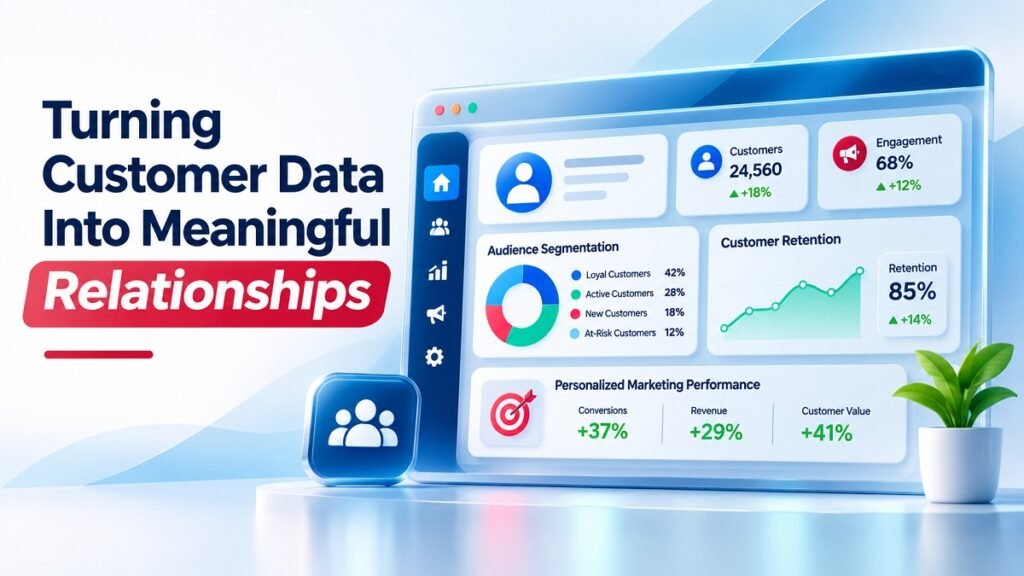
Here are some approaches companies can apply.
1. Build a Customer-Friendly Website
A business website is one of the most important channels for collecting first-party data.
Visitors may explore service pages, read blog posts, submit inquiries, create accounts, or subscribe to newsletters.
However, visitors need a genuine reason to share their information.
Businesses can provide helpful resources such as product guides, educational articles, industry reports, downloadable checklists, and useful newsletters.
ধরুন, একটি digital marketing agency SEO নিয়ে একটি informative guide প্রকাশ করল। একজন visitor guide-টি পড়ার পর আরও learning resources পেতে newsletter subscription করতে পারেন। এভাবে business valuable content-এর মাধ্যমে audience-এর সঙ্গে direct relationship তৈরি করতে পারে।
The focus should be on offering something useful rather than collecting information through unnecessary forms.
2. Develop a Meaningful Email Marketing Strategy
Email marketing is an effective way to maintain direct communication with interested customers.
Businesses can use permission-based email lists to share product updates, educational content, special announcements, and relevant recommendations.
For example, an online bookstore can organize subscribers according to their reading interests. Business book readers can receive professional development recommendations, while fiction readers can receive updates about new novels.
বাংলাদেশের অনেক business এখনো email marketing-কে শুধু promotional message পাঠানোর মাধ্যম হিসেবে দেখে। কিন্তু এর মাধ্যমে customer education, product guidance, useful updates এবং long-term engagement তৈরি করা সম্ভব।
The objective should not be sending more emails. It should be sending more relevant emails at the right time.
3. Use Customer Segmentation
Customer segmentation means dividing a larger audience into smaller groups based on shared interests, behaviors, or characteristics.
Businesses can create segments based on:
- Product interests.
- Purchase frequency.
- Previous interactions.
- Customer lifecycle stages.
- Communication preferences.
- Service requirements.
For example, an online clothing store may separate customers interested in casual wear, formal clothing, and seasonal fashion.
একই message সবার কাছে পাঠানোর পরিবর্তে আলাদা audience group-এর জন্য আলাদা communication তৈরি করা যায়। এতে customer-এর কাছে content আরও relevant হয় এবং marketing team-ও campaign performance ভালোভাবে বুঝতে পারে।
4. Personalize the Customer Journey
Personalization means making customer interactions more relevant at different stages of the buying journey.
A new visitor may need introductory product information. Someone who has already purchased may need product instructions or after-sales support.
Similarly, returning customers may appreciate recommendations related to their previous interests.
Personalization শুধু email-এ customer-এর নাম ব্যবহার করার মধ্যে সীমাবদ্ধ নয়। বরং customer কোন stage-এ আছেন এবং তার কী ধরনের information প্রয়োজন, সেটি বুঝে communication তৈরি করাই এর আসল উদ্দেশ্য।
5. Introduce a Customer Relationship Management System
A Customer Relationship Management (CRM) system helps businesses organize customer information and maintain communication records.
A CRM platform can help manage:
- Customer contact information.
- Purchase and inquiry history.
- Customer preferences.
- Sales follow-up records.
- Customer support interactions.
- Important feedback.
For growing businesses, CRM can reduce the confusion of managing customer information through multiple spreadsheets and communication platforms.
ছোট business-গুলোর ক্ষেত্রেও CRM গুরুত্বপূর্ণ হতে পারে। কারণ customer-এর inquiry, previous conversation এবং follow-up details এক জায়গায় থাকলে team সহজে বুঝতে পারে কার সঙ্গে কখন যোগাযোগ করতে হবে।
6. Combine Marketing Automation with Human Communication
Marketing automation helps businesses manage repetitive marketing activities more efficiently.
For example, an online store can automatically send order confirmation emails, delivery updates, and relevant follow-up messages.
A service-based business can also automate appointment reminders and inquiry confirmations.
তবে automation ব্যবহার করলেই customer communication যেন robotic না হয়ে যায়। একজন customer যখন কোনো সমস্যার কথা জানান, তখন শুধু automated reply দিয়ে দায়িত্ব শেষ করা উচিত নয়। প্রয়োজন অনুযায়ী human support এবং personalized response দিতে হবে।
The best approach combines automation, accurate information, and genuine customer support.
First-Party Data Marketing Strategies for Different Businesses
Every business has different customer requirements. Therefore, the way companies collect and use first-party data should depend on their industry and business objectives.
E-commerce Businesses
Online stores can use purchase history, product interests, customer reviews, and website interactions to improve the shopping experience.
For example, a customer who regularly purchases pet food may appreciate relevant product updates and useful pet-care information.
এখানে business customer-এর previous purchases এবং interests বুঝে product recommendations তৈরি করতে পারে। তবে customer-এর প্রয়োজনের বাইরে অতিরিক্ত promotional messages পাঠানো উচিত নয়।
Small and Local Businesses
Restaurants, salons, fitness centers, and other local businesses can use booking forms, customer feedback, loyalty programs, and inquiry records.
For example, a restaurant can collect voluntary feedback to understand customer satisfaction and improve its menu or service quality.
ছোট business-এর জন্য sophisticated marketing software সবসময় প্রয়োজন হয় না। একটি organized customer database, permission-based communication process এবং regular feedback collection দিয়েও ভালোভাবে শুরু করা সম্ভব।
Educational Institutions and Training Providers
Educational institutions can use inquiry forms, course interests, and student feedback to understand prospective learners.
For example, someone interested in digital marketing may receive relevant information about SEO, social media marketing, or email marketing.
একইভাবে graphic design বা video editing-এ আগ্রহী ব্যক্তিদের জন্য আলাদা learning resources দেওয়া যেতে পারে। এতে communication আরও relevant হয় এবং prospective learners নিজেদের প্রয়োজন অনুযায়ী information পান।
B2B Companies
B2B businesses often deal with longer purchasing decisions and multiple decision-makers.
First-party data can help companies understand which services potential clients explore, what resources they download, and what questions they ask.
এই insights ব্যবহার করে sales এবং marketing team সম্ভাব্য client-এর প্রয়োজন সম্পর্কে ভালো ধারণা পেতে পারে। ফলে generic sales message পাঠানোর পরিবর্তে আরও relevant business communication তৈরি করা সম্ভব।
Essential Tools for First-Party Data Marketing
Businesses do not need every marketing tool available in the market. They should select tools based on their actual requirements and available resources.
1. Google Analytics 4 (GA4): Helps businesses understand website interactions, traffic sources, and user engagement.
2. CRM Platforms: Help organize customer information, inquiries, communication history, and sales activities.
3. Email Marketing Platforms: Support subscriber management, email campaigns, audience segmentation, and automated communication.
4. Customer Feedback Tools: Help collect customer reviews, surveys, and service-related opinions.
5. Marketing Automation Tools: Help businesses manage repetitive communication and marketing workflows.
প্রতিটি tool-এর আলাদা কাজ রয়েছে। তাই শুধু popular বলে কোনো platform ব্যবহার না করে business-এর প্রয়োজন অনুযায়ী নির্বাচন করা উচিত। পাশাপাশি data collection, access control এবং privacy management-এর বিষয়গুলোও গুরুত্ব দিতে হবে।
Common First-Party Data Marketing Mistakes Businesses Should Avoid
Even a well-planned marketing strategy can fail when businesses handle customer information incorrectly.
Here are some common mistakes to avoid.
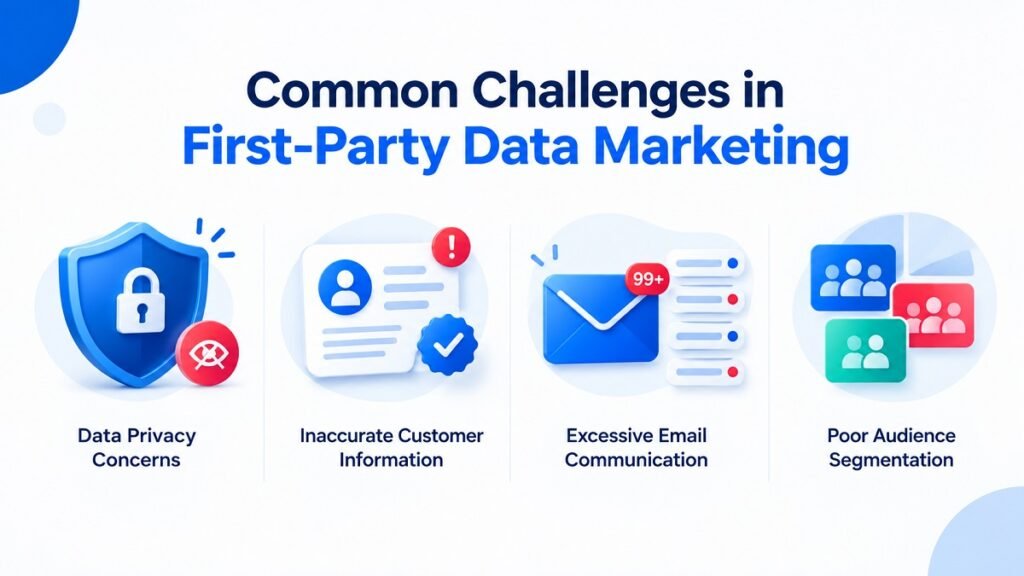
1. Collecting Too Much Information: Unnecessary questions can discourage customers from completing forms. Collect only relevant information.
2. Ignoring Customer Consent: Businesses should explain why information is collected and respect customer communication preferences.
3. Sending Too Many Promotional Messages: Excessive emails and notifications can reduce customer engagement and damage brand trust.
4. Using Outdated Customer Information: Incorrect contact details and outdated preferences can create irrelevant communication.
5. Ignoring Data Security: Businesses should protect customer information through appropriate security measures and controlled access.
6. Focusing on Data Instead of Customer Needs: Collecting more information does not automatically create better relationships. Businesses must use insights to improve actual customer experiences.
Customer information কোনো marketing shortcut নয়। এটি একটি responsibility। তাই তথ্য সংগ্রহের পাশাপাশি সেটির নিরাপদ ব্যবহার এবং customer-এর বিশ্বাস বজায় রাখাও সমান গুরুত্বপূর্ণ।
The Future of First-Party Data Marketing in 2027 and Beyond
As digital marketing evolves, first-party data will continue to influence how businesses understand and communicate with their customers.
Several developments are worth watching.
AI-Assisted Customer Insights
Artificial intelligence can help marketing teams identify patterns, organize customer information, and analyze campaign performance.
For example, AI-powered analytics may help businesses identify frequently viewed product categories or understand engagement trends.
তবে AI-এর দেওয়া insight সবসময় সঠিক ধরে নেওয়া উচিত নয়। Human review, data accuracy এবং responsible AI usage গুরুত্বপূর্ণ থাকবে।
More Connected Customer Experiences
Customers interact with businesses through websites, social media, email, mobile applications, and offline channels.
Businesses will need to create more consistent experiences across these platforms.
একজন customer Facebook-এ কোনো service সম্পর্কে জানার পর website-এ গিয়ে বিস্তারিত পড়তে পারেন এবং পরে email-এর মাধ্যমে যোগাযোগ করতে পারেন। প্রতিটি touchpoint-এ consistent information থাকলে customer experience উন্নত হয়।
Privacy-Conscious Personalization
Customers want relevant experiences, but they also expect their personal information to be handled responsibly.
Businesses will need to balance personalization with privacy, transparency, and appropriate consent.
Better Marketing Measurement
Future marketing strategies will increasingly depend on understanding meaningful performance indicators.
Businesses may evaluate customer retention, repeat purchases, engagement, customer satisfaction, and campaign effectiveness.
শুধু কতজন website-এ এলেন বা কতগুলো email পাঠানো হলো, সেটিই marketing success-এর একমাত্র মাপকাঠি নয়। বরং এই activities business-এর customer relationships এবং overall performance-এ কী ধরনের পরিবর্তন আনছে, সেটি বোঝা প্রয়োজন।
Final Thoughts: Building Stronger Customer Relationships Through Better Data
First-party data marketing is more than a method of collecting customer information. It is a way for businesses to understand their audiences, respect their preferences, and create meaningful long-term relationships.
In 2027, businesses that focus on relevant communication, responsible data practices, customer experience, and personalized marketing will have better opportunities to build customer trust.
ছোট business হোক কিংবা বড় organization—প্রতিটি প্রতিষ্ঠানের জন্য customer-এর প্রয়োজন বোঝা গুরুত্বপূর্ণ। শুধু নতুন customer আকর্ষণ করলেই হবে না, existing customer-দের অভিজ্ঞতাও উন্নত করতে হবে।
Ultimately, successful marketing is not about collecting the largest amount of customer data. It is about understanding the right information and using it to deliver genuine value. When customers feel understood and respected, a business has a stronger foundation for long-term relationships.
Frequently Asked Questions (FAQ)
1. What is First-Party Data Marketing?
First-party data marketing is a strategy that uses information collected directly from customers through a business’s own channels, including websites, purchases, email subscriptions, surveys, and customer interactions. এটি business-কে customer preferences বুঝতে এবং relevant marketing communication তৈরি করতে সাহায্য করে।
2. Why is First-Party Data Marketing important in 2027?
It helps businesses improve customer understanding, create personalized experiences, strengthen customer retention, and make better marketing decisions. পাশাপাশি responsible data collection এবং customer privacy বজায় রাখতেও এটি গুরুত্বপূর্ণ।
3. What are the main sources of first-party data?
Common sources include website interactions, purchase history, customer feedback, email subscriptions, registration forms, surveys, and customer support conversations.
4. How can small businesses use First-Party Data Marketing?
Small businesses can start by collecting customer inquiries, maintaining purchase records, using feedback forms, and building permission-based email lists. এরপর এই information ব্যবহার করে customer service এবং marketing communication উন্নত করতে পারে।
5. What is the difference between first-party data and third-party data?
First-party data is collected directly by a business through its own customer interactions. Third-party data comes from external organizations that collect or aggregate information from different sources. First-party data provides businesses with a more direct relationship with their customer information, subject to applicable privacy requirement.